
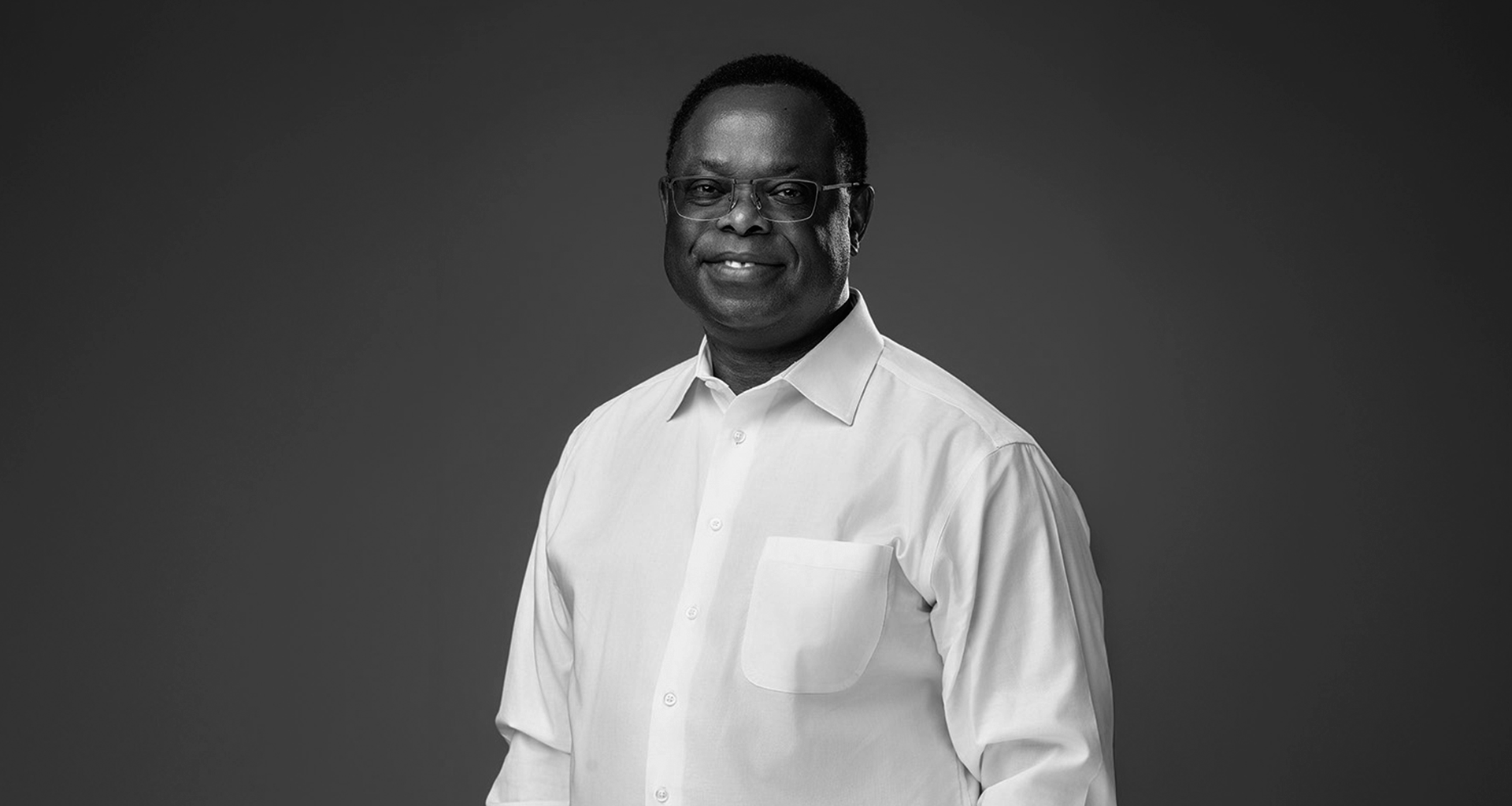
A mega project can take seven years to develop, five years to build, and then operate for more than three decades. The assumptions that justified the spend may not survive the first five. That mismatch sits at the center of how capital gets committed across energy, infrastructure, and heavy industry, and it is largely unaddressed by the governance machinery built around final investment decisions. Akin Oni, who leads Eftex Group, argues that the industry has spent decades perfecting an answer to the wrong question. Delivery discipline is mature. Investment resilience is not. And when billions are sunk into an asset designed against a world that no longer exists by the time it starts up, the project can hit every milestone and still fail the business case that authorized it.
Optimization Is Quietly Becoming a Liability
Scope, schedule, cost, performance. Those four disciplines have governed capital projects for a generation, and they work. Oni is not arguing otherwise. He is pointing at a paradox buried inside them. “When we optimize too tightly around today’s assumptions, we can unintentionally remove the flexibility the investment may desperately need tomorrow,” he says. Optimization, pushed hard enough, becomes fragility. Every engineering decision that shaves cost by narrowing what the asset can accommodate is also a decision to bet the next 30 years on a single view of the future.
What has changed is not the presence of uncertainty. Capital projects have always run on forecasts that turn out to be wrong. Oni’s point is about velocity, interconnectedness, and consequence. Energy markets shift, commodity prices move, regulations evolve, supply chains fracture, and geopolitics redraws assumptions that felt settled at sanction. Layer on AI, quantum technologies, and the energy transition, which are changing both what gets built and how long-life assets should be conceived in the first place, and the gap between sanction-day logic and operating reality widens faster than any project schedule can close it. The practical implication for executives is uncomfortable: a technically excellent project can deliver precisely what was sanctioned and still underperform the thesis behind it. Delivery excellence is no longer sufficient evidence that capital was well spent.
Intelligent Flexibility, Not Maximum Flexibility
The obvious response, design for everything, is worse than the problem. Oni draws that line hard. “Optionality, in my view, does not mean gold plating a project or designing for every imaginable feature. That destroys capital discipline.” Hedging against every scenario is not resilience. It is an expensive way to fail the economics before the asset ever produces anything. The distinction he insists on is between maximum flexibility and intelligent flexibility, and it is the difference between a disciplined investment and an undisciplined one.
What intelligent flexibility looks like in practice is a short list of concrete questions asked before money is committed. Can the asset expand? Can it accommodate different feedstocks, products, technologies, or market conditions? Can the contracting strategy absorb uncertainty without destroying value? Can execution decisions preserve future choices rather than quietly eliminate them? That last question is the one most often skipped, because the elimination is rarely deliberate. Choices get closed off through a thousand small technical and commercial decisions made under schedule pressure, each defensible in isolation, none of them reviewed for what they cost the asset in future adaptability. Oni frames the discipline as deciding, deliberately and early, where flexibility could protect or unlock disproportionate value later. Not everywhere. Where it pays. That framing turns optionality from an engineering indulgence into a capital allocation judgment, which is where it belongs and where boards are equipped to weigh it.
When Momentum Becomes Destiny
The harder problem is what happens after sanction, and it is a governance problem rather than a technical one. Projects build momentum. Contracts are awarded, teams mobilize, capital gets committed, and the organizational cost of stopping to challenge the original assumptions rises with every month. Oni puts the test plainly: “Does our governance allow us to challenge the investment before momentum becomes destiny?” Most governance frameworks are not built to answer that. They are built to track progress against a plan, which is a different activity entirely and one that grows less meaningful the further the underlying assumptions drift from reality.
The remedy Oni describes is a reconnection function. When market, technology, regulatory, commercial, or strategic assumptions materially change, someone has to link the project back to the original investment thesis and force the comparison. “The question should never become merely, are we still on schedule? It should also remain, are we still creating the value for which this investment was sanctioned?” Those are two different questions, and the first has a habit of crowding out the second because it is easier to answer and more comfortable to report. Executives who want the second question asked have to build a mechanism that asks it, with the standing to act on the answer, because it will not surface on its own from inside a project team that is being measured on delivery. The window for that conversation is narrower than most organizations assume. Oni’s closing question to any leader approaching a major commitment is direct: are you building the best project for today’s assumptions, or an investment capable of surviving tomorrow’s reality? The next generation of capital project excellence, on his reading, will not be judged by whether organizations delivered what they sanctioned. It will be judged by whether what they sanctioned can still create value in a world that changed while they were building it. That is a higher bar, and it needs to be cleared before the billions become difficult to redirect.
Follow Akin Oni on YouTube or LinkedIn for more insights on capital project strategy, investment resilience, and long-life asset decision-making.