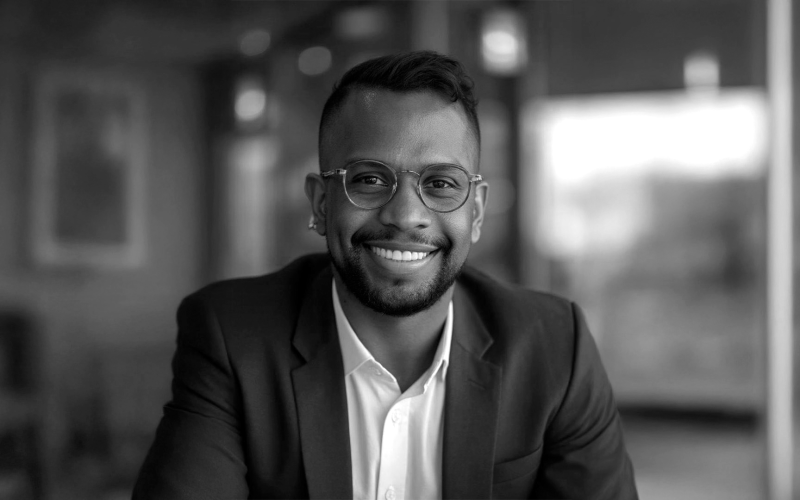

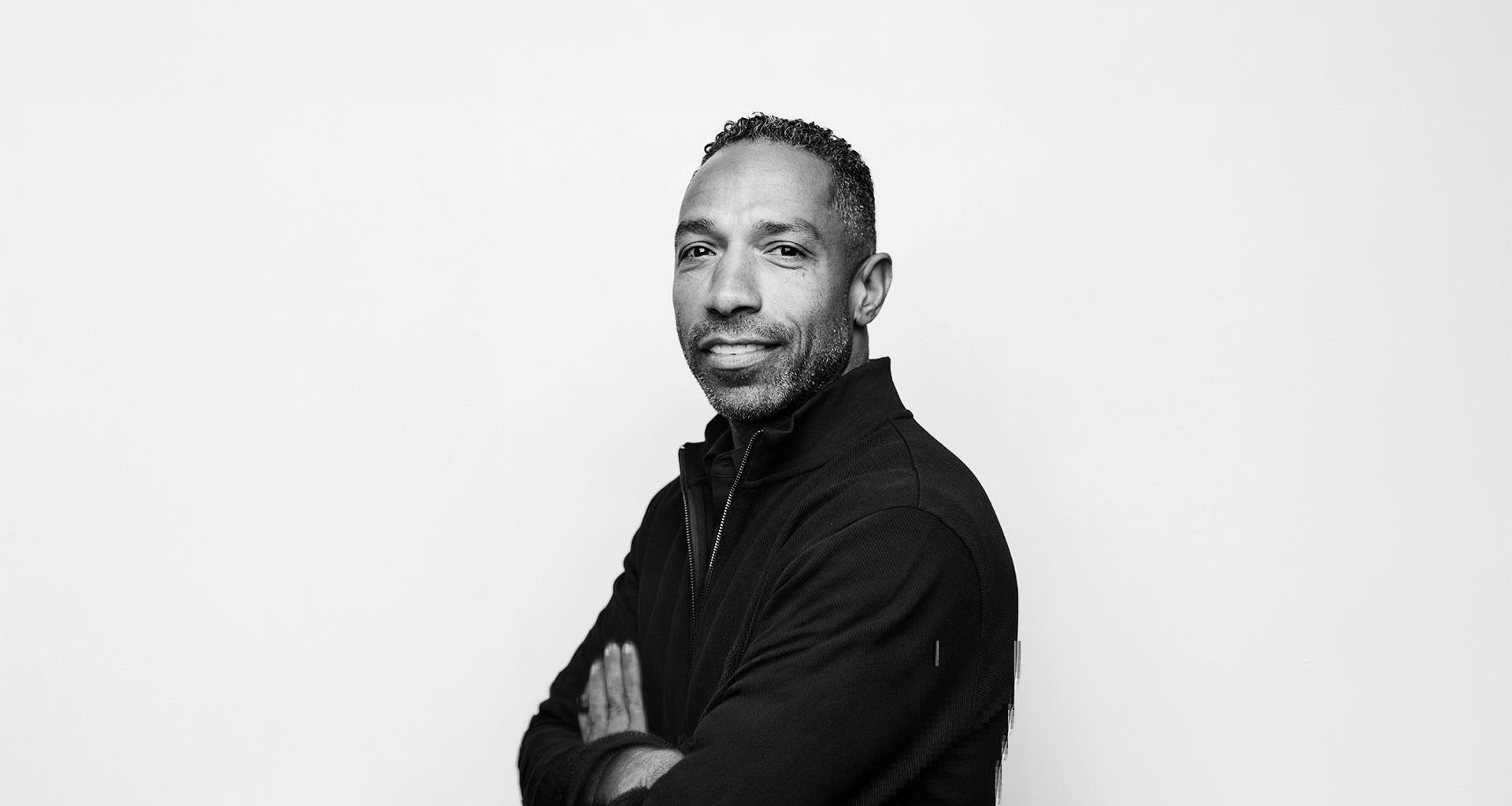
Commercial security is undergoing a fundamental shift. As AI, automation, and real-time analytics reshape how organizations protect people and property, relying on traditional security models is becoming an increasingly expensive risk. For Tariq Amassyali, Founder and Managing Partner at TowerPatrol, the challenge is in recognizing that today’s threats demand an entirely different approach to security.
“The best example I can give is having a smartphone and having a flip phone,” Amassyali says. “If you’re still stuck in yesterday’s security approach, you have an outdated device, you have an outdated system, and the thieves and the bad actors have positioned themselves to be the smartphone.” Organizations that continue building security around outdated assumptions risk becoming what the industry calls a “soft site,” making themselves easier targets for increasingly sophisticated bad actors.
Security Has Become a Technology Challenge
For decades, commercial security relied heavily on physical guards, static infrastructure, and reactive responses. While these measures continue to play an important role in many environments, they were designed for a threat landscape that has evolved dramatically.
Modern security systems generate continuous intelligence rather than occasional observations. AI-powered monitoring, autonomous surveillance, and real-time analytics enable organizations to identify potential incidents before they escalate instead of responding after damage has already occurred.
This transition is about augmenting decision-making with better information. Organizations can no longer afford to operate with outdated tools while adversaries continually improve their methods. Security has become an intelligence problem as much as a physical one.
From Human Interpretation to Objective Data
Rather than depending solely on individual observations, organizations gain access to continuous monitoring that applies the same standards every hour of every day. This creates more reliable detection while allowing security teams to focus their expertise where human judgment delivers the greatest value. “There is inherent risk with stationary guarding,” Amassyali says. “The inherent risk includes falling asleep on the job. There’s also more variability in the quality of guarding. With autonomous systems, the rules are black and white, and detections happen in real time.”
Human judgment will always have value, but it also introduces variability. Fatigue, distractions, and subjective interpretation can all affect outcomes during critical situations. Autonomous systems operate differently. “In autonomous, the rules are black and white,” he says. “The detections are real in real time.”
Data Is Changing the Economics of Commercial Security
Perhaps the most significant transformation comes from the quality of information organizations receive. Historically, security reporting depended on guard logs and verbal updates, both shaped by personal interpretation. That often left decision-makers with incomplete or inconsistent information when evaluating risk or allocating resources.
“For a long time, we used stationary guards to give us feedback, and the feedback was based on interpretation,” Amassyali says. “No longer is that the case.” Instead, autonomous security platforms generate measurable operational data that can be analyzed immediately. “Data analytics is the real numbers that you can make decisions from,” he says. “You need hard facts and you need them now to be able to make decisions about protecting your commercial space.”
This shift changes security from a cost center built on assumptions into an operational function driven by measurable performance. Real-time analytics allow organizations to identify recurring vulnerabilities, optimize coverage, and justify investments based on evidence rather than estimates.
Preparing Organizations for the Next Generation of Security
As autonomous security becomes standard infrastructure, organizations must also invest in the expertise required to manage increasingly intelligent systems. “The answer is simple,” Amassyali says. “It’s providing personnel that speak the language and know the prompts and rules as these relate to the site.”
Every commercial property operates differently, with unique policies, operating procedures, and risk profiles. Successfully deploying AI-powered security depends on translating those operational standards into consistent system behavior. Standardization becomes increasingly important as organizations scale across multiple locations. Teams that understand both operational requirements and AI-enabled security workflows will be better positioned to maintain consistency, while adapting to site-specific needs.
“The first step any organization should take is speaking to experts in the field,” he says. “They may not have to make a decision. They need to be educated.” As AI continues reshaping commercial security, informed decision-making becomes a competitive advantage. Organizations that understand what modern systems can deliver will be better equipped to determine whether yesterday’s methods are sufficient or whether it is time to prepare for tomorrow’s threats.
Follow Tariq Amassyali on LinkedIn or visit his website for insights on the future of AI-powered commercial security.