AI-supported cancer care is helping patients navigate overwhelming volumes of information, competing medical opinions, and the pressure to make life-changing decisions quickly. Trusted Telehealth® plays a central role in this shift by combining advanced technology with expert physician oversight.
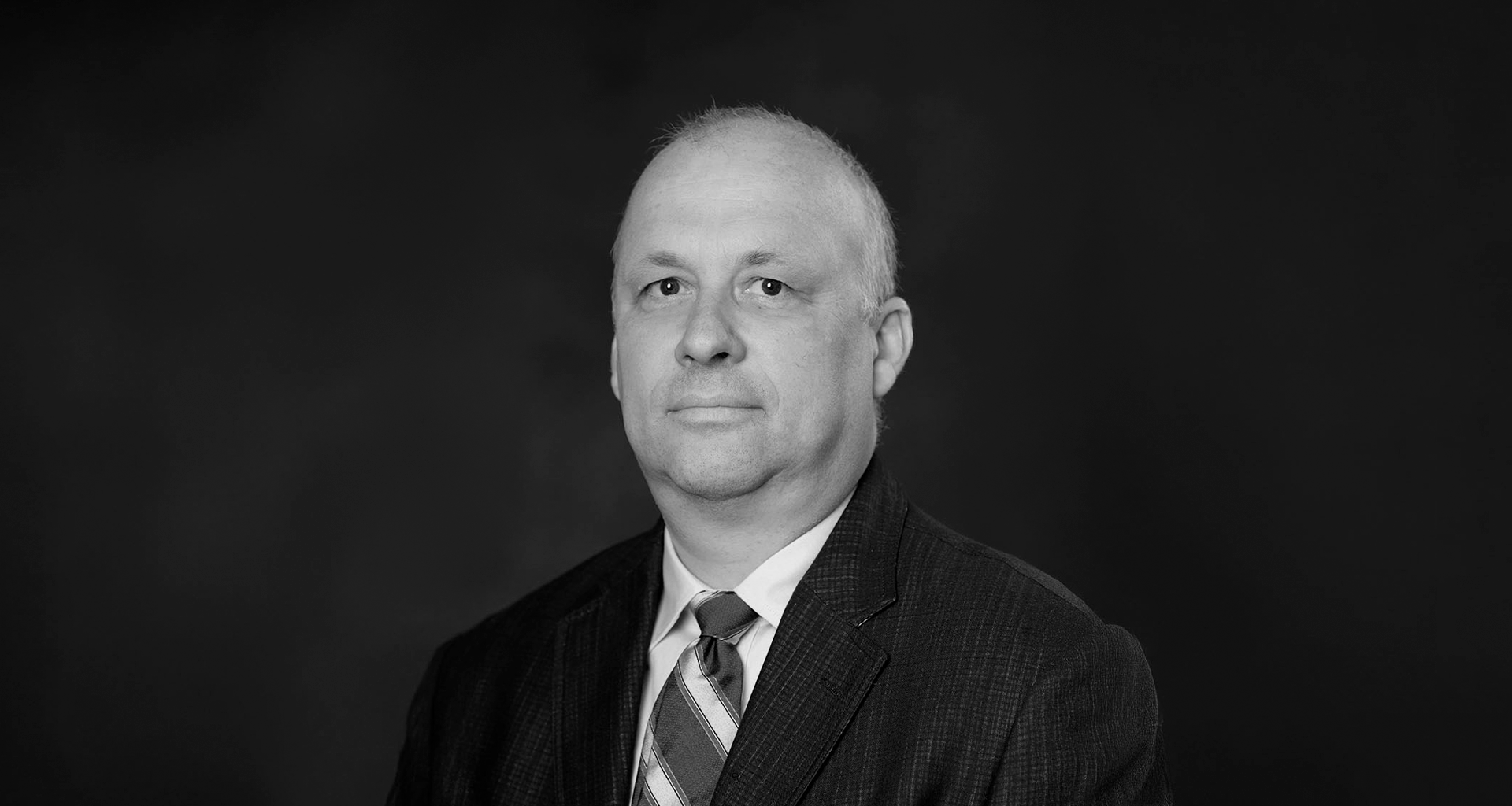
Rather than replacing clinical expertise, the platform strengthens it, creating virtual oncology second opinions that give patients greater confidence, while preserving the essential relationship between physician and patient. “Patients rarely struggle with a lack of information,” says Dr. Ronald Matteotti, Chief Executive Officer of Trusted Telehealth®. “True clarity comes from translating medical complexity into personalized guidance that helps patients understand not only what their options are, but why these options matter for them personally.”
Turning Information Into Personalized Cancer Decisions
Cancer is unlike many other medical conditions because delaying treatment can have profound consequences. Patients often receive opinions from multiple specialists while simultaneously researching treatments online, creating confusion instead of confidence. For Dr. Matteotti, the solution lies in precision cancer guidance that is tailored to the individual rather than generalized recommendations. Different patients with similar diagnoses may require very different treatment paths depending on their health, finances, personal priorities, or access to care.
Trusted Telehealth® addresses this challenge by matching patients with oncologists who specialize in their specific cancer, providing digital access to top oncologists through its Trusted Telehealth® cancer network. The platform is creating global cancer care access that helps patients obtain expert perspectives regardless of geography, while ensuring every recommendation reflects the patient’s unique circumstances.
AI Oncology Works Best With Experts in the Loop
AI has become one of healthcare’s fastest evolving technologies, but Dr. Matteotti believes its greatest value is not in making medical decisions independently. Instead, AI oncology delivers its greatest impact by organizing and synthesizing complex clinical information. “In my opinion, AI is most powerful when it helps organize and synthesize information that would otherwise overwhelm patients and clinicians,” he says.
Medical records, pathology reports, imaging studies, treatment guidelines, and emerging research can now be reviewed far more efficiently. This enables expert oncologists to spend less time navigating administrative complexity and more time interpreting evidence and caring for patients.
The healthcare industry has long struggled with administrative burdens that reduce time available for patient care. Dr. Matteotti notes that physicians can spend the majority of their working hours managing documentation, rather than interacting with patients. AI helps reverse that imbalance by accelerating analysis, while leaving the final interpretation to experienced clinicians. “The goal is not replacing expertise,” he says. “The goal is making expertise more accessible and actionable.” That balance is central to how AI-powered cancer care platforms should evolve, particularly as demand for oncology telehealth for global patients continues to grow.
Building Trust Through Transparency
As AI becomes more integrated into clinical workflows, trust will increasingly determine its success. Dr. Matteotti argues that credibility depends on transparency, evidence, and physician accountability. “AI should never function as a black box,” he says. At Trusted Telehealth®, every AI-supported analysis is grounded in validated clinical evidence and reviewed by experienced physicians before recommendations reach patients. AI identifies patterns and highlights relevant information, but clinical judgment remains firmly in human hands.
“Clinical judgment remains with qualified physicians,” Dr. Matteotti says. “That combination creates confidence, accountability, and trust.” This approach reflects a broader shift across digital cancer care. The most effective telehealth platforms position AI as a decision-support tool that amplifies medical expertise while maintaining accountability.
Expanding Global Oncology Without Losing the Human Connection
The future of global oncology depends not only on technology but also on preserving empathy throughout the patient journey. “Technology should never replace empathy, clinical judgment, or the patient-physician relationship,” Dr. Matteotti says.
Trusted Telehealth® is designed to support, not replace, a patient’s existing care team. Its role is to provide additional expert insight, virtual cancer second opinions, and access to the best oncologists available worldwide, while respecting the trusted relationship patients already have with their physicians.
As AI continues transforming healthcare, Dr. Matteotti believes patient expectations will evolve accordingly. They will expect expert insights to arrive faster, complex medical information to be translated into understandable next steps, and recommendations to combine the latest evidence with human expertise. “The future of expert care is not simply faster answers,” he says. “It’s better informed decisions delivered with clarity, confidence, and trust.” By combining intelligent technology with expert physician oversight, platforms such as Trusted Telehealth® are expanding oncology access without compromising the compassion, nuance, and personalized judgment that remain essential to cancer treatment.
Follow Dr. Ronald Matteotti on LinkedIn or visit his website.