



Major firms keep finding the same pattern: most transformations fall short. McKinsey and BCG put the miss rate near 70%. Bain puts it higher, with only 12% of business transformations reaching their original ambition. That gap stays hidden because most competitors are trying to scale the same obstacle. When everyone is stuck, no one loses ground. The advantage appears when one organization solves it first.
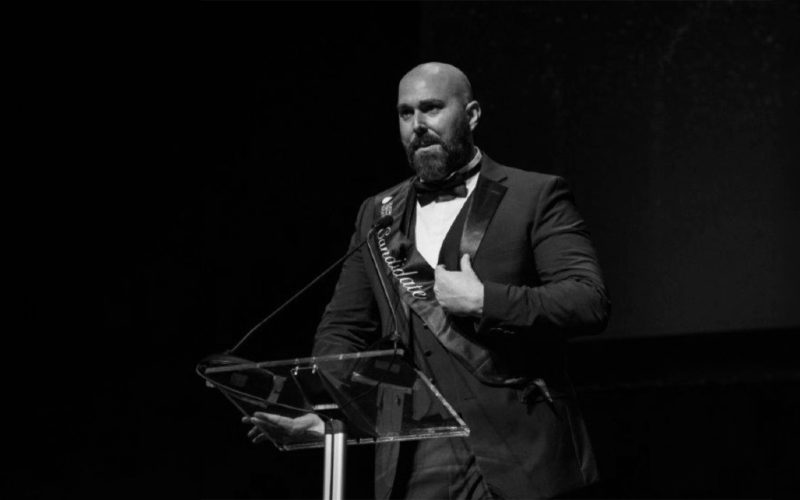
Roland U. Hoffmann, founder of SODA, developed a framework for that moment. SODA bridges the gap between portfolio strategy and operational transformation, where most unrealized value disappears. “If there are ten competitors and everybody’s struggling the same way, that’s not a problem until one of you figures it out,” Hoffmann says. “Be the one.”
Strategy Gets Distorted Before Execution
A clear strategy, capable teams, and a proven process are necessary. They are not enough. Transformation fails when strategy changes shape as work moves through the organization, down the hierarchy, and across functions, from concept to customer delivery.
The distortion shows up in common ways. Informal approvals undermine formal ones. Unspoken incentives reward teams for what is actually important, even when the official message says otherwise. Departmental jargon obscures clarity during handoffs, so strategic intent arrives weaker, blurrier, or off the mark. SODA surfaces those distortions before they absorb a transformative strategy into business as usual.
A 10-Day Diagnostic That Shows What Has Been Invisible
SODA’s complexity diagnostic takes 10 days and focuses on one underperforming initiative. It shows where activity is not producing the intended outcome, why decisions stall despite apparent authority, where ownership is unclear, and where team norms or vernacular distort shared goals.
Hoffmann frames the work like a doctor examining a living organism, not an engineer reprogramming a machine. “A machine is built,” he says. “A company evolves.” Organizations keep adapting to pressure from markets, competitors, customers, and internal tensions. Transformation has to work inside that living anatomy, not pretend the organization will sit still while strategy is imposed on it.
Discipline Turns Alignment Into Results
When SODA aligns strategy and execution, the first result is clarity. Teams know what matters. Measures become harder to argue with. Hoffmann compares it to a 4-0 scoreboard at the end of a match. The result is visible. The debate is over.
Trade-offs get cleaner. Rework drops. Resets become less frequent. Decisions stay closer to outcomes. Hoffmann calls the cumulative effect discipline: clarity, measurement, and accountability, reinforcing one another until the organization can move with intent.
The organizations that lead in five years will set the pace for their industry with scale and disciplined adaptation, like nimble giants. Scale gives them stamina and reserves. Disciplined adaptation keeps transformation from becoming a one-time effort and turns it into an operational capability. “Transformation is not a project,” Hoffmann says. “It’s a way of working.”
Follow Roland U. Hoffmann on LinkedIn for more on SODA, operational transformation, and the discipline that turns strategy into results.