

Most nonprofit chief executive officers (CEOs) regard fundraising as something solely managed by the development department. They show up for major donor meetings, sign the letters, and otherwise leave the revenue strategy to the people whose job title includes the word “development.” That delegation is costing organizations more than they realize: in dollars they never raised, in relationships they never built, and in donors who backed a different organization because the leadership they met did not inspire the confidence their investment required.
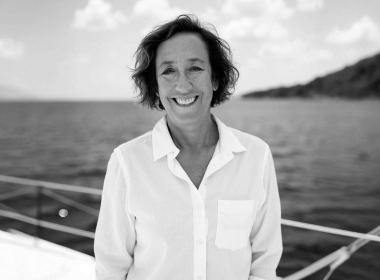
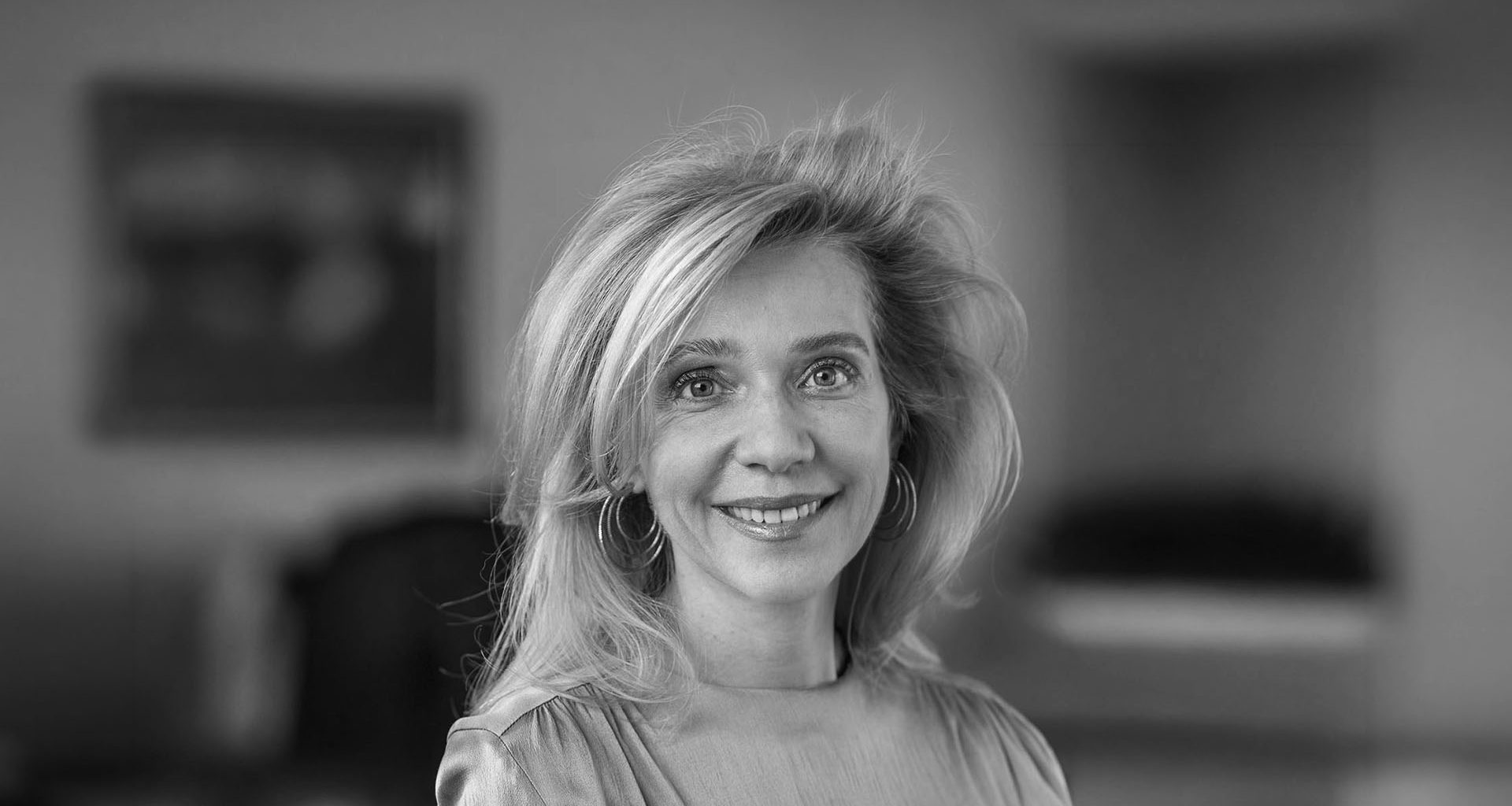
Bettina Alonso, a philanthropy senior executive who has delivered sustained double-digit fundraising growth across some of the world’s most respected nonprofit institutions, has spent her career operating at the intersection of leadership and revenue. Her conviction about who owns fundraising is clear. “Donors are investing as much in leadership as they are in outcomes,” Bettina insists. “They seek conviction, clarity, and inspiration from the CEO.”
Fundraising Is a Leadership Function. Govern It Like One
The organizations that consistently outperform in philanthropy share a structural characteristic that has nothing to do with the size of their development team or the sophistication of their donor database. The CEO treats fundraising as a core leadership responsibility, not an episodic need activated only when a program requires funding, nor a department to be consulted after strategic decisions have already been made.
Bettina has watched the alternative play out repeatedly. A CEO arrives at the development door with a new program and a funding gap: “Can you find $20 million for this?” – without the development team having been in the room when the program was designed, without any assessment of whether donors find the initiative compelling, and without the organizational alignment required to tell a coherent story to the outside world. By the time development is involved, it is already playing catch-up against a timeline it did not set and a case for support it did not help build.
The CEOs who produce consistent philanthropic growth do the opposite. They bring development into strategic decisions from the start. They celebrate closed gifts with the same organizational weight given to programmatic wins. They ensure development has a seat at the leadership table alongside finance, advocacy, and program teams. “Very often nonprofits celebrate programmatic successes and don’t celebrate development successes the same way,” Bettina reflects, noting that after death and divorce, research suggests asking for money is the third most feared activity for most people. This goes a long way toward explaining why gift closings get treated as footnotes, while finance audits get standing ovations.
The $5 Million Ask That Became a $1 Million Lesson
One of the most instructive story Bettina carries from her career concerns a CEO preparing to meet a wealthy donor. Bettina had done extensive research, studying the donor’s giving history, her public interviews, philanthropic contributions to other organizations, and her stated passions. The recommendation was a $5 million ask. The CEO found the number unreasonable and, without telling Bettina in advance, asked for $1 million instead. When she learned what had happened, Bettina did not absorb the loss quietly. She scheduled dedicated time on her CEO’s calendar and walked him through the full methodology behind her recommendation, demonstrating that the number was not based on intuition but on rigorous, evidence-based analysis.
The experience changed the CEO’s approach to development entirely. He shared it with his whole team and committed to listen more carefully to the development team’s recommendations. Two years later, the $5 million gift was secured. “The bigger win,” Bettina reflects, “was educating my supervisor on the strategic value and rigor of development work.”
Education is never a one-time event. Bettina took the same approach across every department in the institutions she has served, presenting to scientists, finance teams, and clinical staff, training nurses and frontline technicians to recognize moments of patient gratitude and bridge them gently toward development. The goal is never to turn every staff member into a fundraiser. It is to ensure that when a patient says the care they received changed their life, the response is not “It’s just my job.”
Donors Are Investors Now. Lead Accordingly
Today’s major donors approach philanthropy with an investor’s discipline. They want a clear investment thesis: what problem is being solved, why it matters now, what differentiates the approach, and how success will be measured. They are not backing programs. They are backing a strategy and the leadership behind it.
With the great wealth transfer now moving trillions of dollars across generations, and with 2 million nonprofits in the United States alone competing for attention, the organizations that will capture disproportionate philanthropic investment are the ones where leadership is visible, credible, and ready to engage donors as genuine partners in shaping the future. Not sources of funding. Partners. The CEO who has internalized that distinction does not need to be coached on what to say in a donor meeting. The conviction is already there, and the donors feel it immediately.
Follow Bettina Alonso on LinkedIn for more insights on philanthropic strategy, fundraising leadership, and building the cultures of generosity that sustain mission-driven organizations.